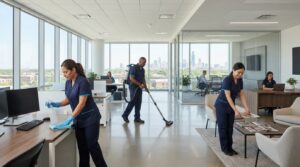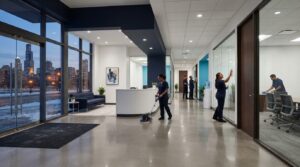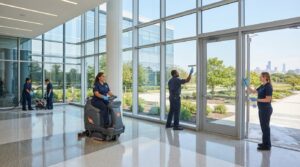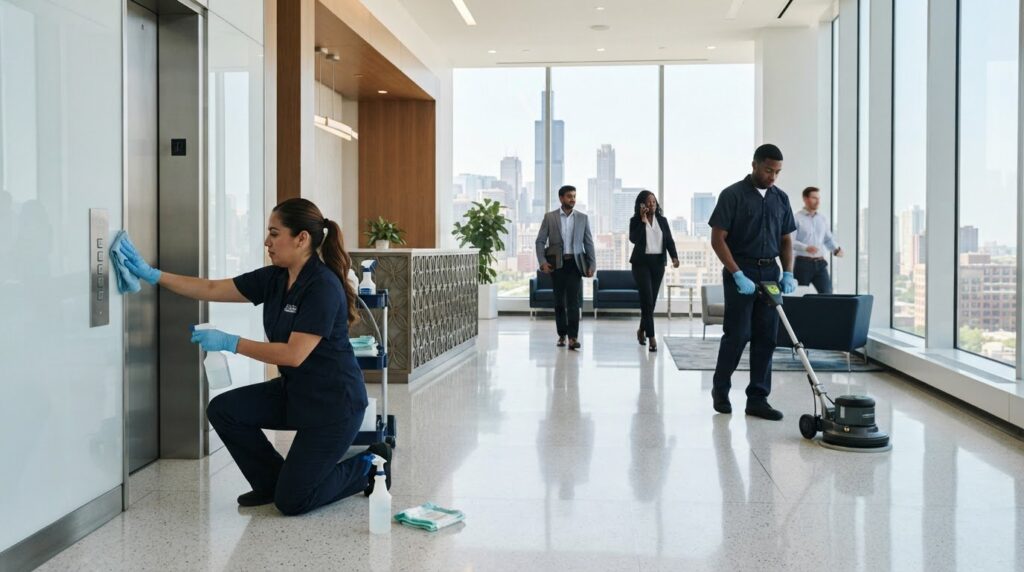
The average office desk harbors roughly 400 times more bacteria than a toilet seat, yet many facilities still settle for surface-level dusting that leaves underlying hygiene issues unresolved. If you are tired of fielding persistent complaints from tenants, tracking down inconsistent contractors, or losing productive hours to internal cleaning rosters, you are not alone. A clean building should never become a daily management crisis. Understanding the true benefits of professional janitorial services reveals that commercial sanitation is not an operational hassle, but an active investment in your workplace.
In this guide, you’ll discover how partnering with dedicated commercial cleaning specialists elevates staff wellness, protects expensive flooring assets from premature wear, and lifts administrative friction off your leadership team. We will examine the tangible operational returns of structured cleaning protocols, showing how reliable maintenance delivers predictable cost control and complete peace of mind for your business.
Key Takeaways
- Explore the core benefits of professional janitorial services that actively curb workplace cross-contamination and support everyday employee wellness.
- Learn how structured commercial surface care shields costly building materials from abrasive wear to delay capital replacement.
- Discover how outsourcing your cleaning program eliminates hidden internal administrative burdens, supply overhead, and staffing headaches.
- Understand the measurable role spotless common areas play in shaping instant positive perceptions for visiting clients and stakeholders.
- Follow an actionable evaluation roadmap to assess your facility’s operational needs and choose a reliable commercial maintenance partner.
Why Workplace Hygiene Directly Drives Business Health and Productivity
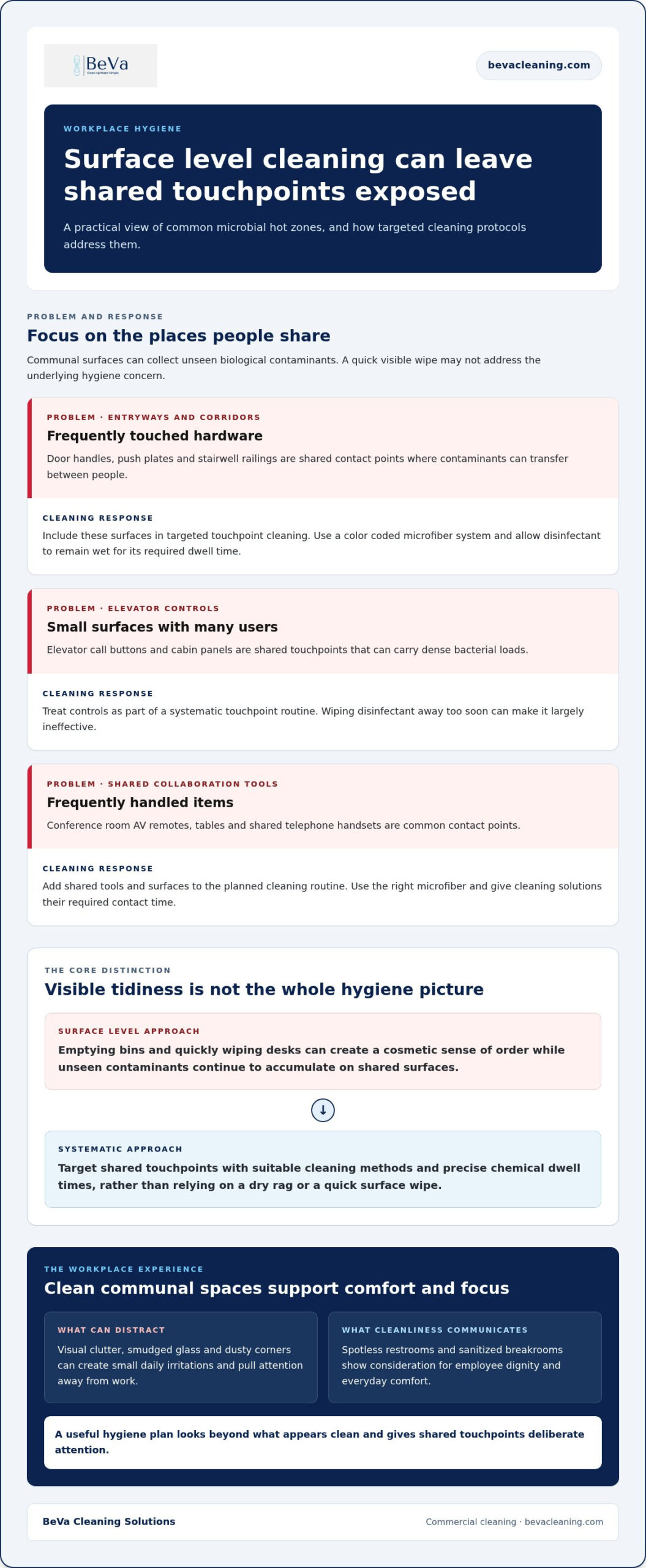
Most corporate workspaces look clean on the surface. Trash bins get emptied and desks get a quick wipe, creating a cosmetic illusion of order. However, genuine sanitation goes far beyond appearances. While the standard definition of cleaning centers on removing visible dirt, commercial facilities require systematic bio-load reduction to stay healthy. Unseen biological contaminants continually accumulate across shared communal touchpoints. When communal areas are only wiped down superficially, pathogens easily transfer between team members, creating an invisible cycle of cross-contamination that drives up sick leave.
Recognizing the operational benefits of professional janitorial services begins with treating facility hygiene as a direct protector of payroll efficiency. Targeted cleaning protocols neutralize active microbes rather than spreading them around with a dry rag. This clinical precision safeguards your workforce against preventable downtime while elevating daily workplace performance.
Reducing Absenteeism Through Targeted Touchpoint Sanitization
Every commercial property contains persistent microbial hot zones that accelerate illness if left untreated:
- Entryway and corridor hardware: Door handles, push plates, and stairwell railings touched by dozens of people every hour.
- Vertical transit controls: Elevator call buttons and cabin panels that harbor dense bacterial loads.
- Shared collaboration tools: Conference room AV remotes, conference tables, and shared telephone handsets.
Stopping viral spread across these vectors requires strict adherence to dwell-time chemistry. Applying hospital-grade disinfectants and wiping them away immediately renders the chemicals largely ineffective; solutions must remain wet on surfaces for specific intervals to destroy bacteria and viruses. Professional janitorial technicians use color-coded microfiber systems and precise chemical dwell times to break the transmission chain, keeping teams present and healthy.
The Psychological Impact of Cleanliness on Employee Performance
Mental focus directly reflects the physical workspace. Visual clutter, smudged glass, and dusty corners create subtle cognitive fatigue, pulling attention away from primary tasks. When employees walk into a crisp, freshly sanitized facility each morning, it sets a clear standard of excellence. Clean air and spotless communal zones eliminate small daily irritations, fostering mental clarity and steady focus.
Spotless restrooms and sanitized breakrooms also send an unmistakable message to your staff. They prove that leadership genuinely respects employee dignity and everyday comfort. Investing in high-standard upkeep shows tangible care for your workforce, boosting morale and strengthening employee retention across every department.
Protecting Facility Assets and Slashing Long-Term Replacement Costs
A commercial property represents a substantial capital investment, yet many management teams treat daily upkeep as an aesthetic expense rather than an asset defense strategy. Foot traffic constantly deposits dirt, moisture, and fine grit across entryways and halls. Without daily intervention, these microscopic abrasive particles act like sandpaper under foot, chewing through protective coatings and permanently scoring hard surfaces. Premature floor replacement or deep architectural restoration drains capital budgets quickly, turning neglected maintenance into an expensive balance sheet liability.
One of the chief economic benefits of professional janitorial services is intercepting this physical decay before irreversible damage occurs. Systematic dust control and particulate removal keep abrasive grit from grinding into underlying substrates. Ultimately, this routine protection preserves expensive architectural finishes, protects indoor air filtration by lowering particulate load on HVAC coils, and extends replacement cycles by years.
Extending the Lifespan of Hard Floors and Carpeting
High-traffic flooring bears the brunt of commercial activity. Materials like vinyl composition tile (VCT), terrazzo, polished concrete, and commercial carpets require dedicated chemical and mechanical protocols.
- Daily particulate extraction: Removing abrasive dry soil before foot traffic grinds it into carpet fibers or floor sealants.
- Scheduled surface rejuvenation: Precision high-speed burnishing and buffing to restore the wear layer before the base floor takes damage.
- Periodic deep extraction: Flushing embedded soils out of commercial carpets to prevent fiber breakage and backing rot.
Maintaining these specialized substrates requires a planned strategy rather than random mopping. Implementing structured commercial floor maintenance services ensures that protective coats are replenished on a predictable schedule, avoiding catastrophic stripping fees or premature floor replacements.
Preserving Architectural Surfaces, Windows, and Fixtures
Facility fixtures face continuous environmental wear. Restroom chrome, architectural stone, and expansive exterior windows suffer from hard water, airborne particulates, and oxidation. When minerals sit on exterior glass or chrome plumbing fixtures, they chemically etch the material, causing permanent hazing that standard cleaners cannot remove.
Professional janitorial care utilizes neutral pH cleaners and specialized descaling methods aligned with standards from The Worldwide Cleaning Industry Association to prevent chemical pitting. Pairing routine custodial sweeps with advanced restorative floor and window care keeps corporate assets looking new, actively sustaining your commercial property’s long-term market valuation. If your building surfaces are beginning to show signs of premature wear, exploring tailored support from BeVa Cleaning Solutions can help stabilize your facility’s long-term maintenance costs.
Professional Contracting vs. In-House Cleaning: Operational Comparison
Managing an internal cleaning crew often looks straightforward on paper, but the actual administrative burden tells a very different story. Direct hourly wages only represent a fraction of internal maintenance costs. Once you factor in payroll taxes, workers’ compensation insurance, benefits, and management oversight, supporting an internal team becomes significantly more expensive than most organizations anticipate. When an internal cleaner calls in sick or resigns, facility supervisors end up scrambling for coverage, pulling attention away from core business goals just to ensure basic building sanitation.
A primary operational benefit of professional janitorial services is turning messy internal variable expenses into a predictable, consolidated contract. Outsourcing eliminates the constant logistical headaches of managing custodial shifts, stocking chemical inventories, and maintaining specialized equipment.
Eliminating Administrative and Staffing Bottlenecks
Maintaining in-house custodial personnel introduces persistent human resource friction that drains operational capacity:
- Recruitment and screening: Constant recruiting, background checks, and vetting to counter frequent custodial turnover.
- Skill development: Training staff on proper chemical safety, cross-contamination controls, and surface care standards.
- Absentee coverage: Scrambling to backfill shifts during unexpected employee absences or seasonal vacations.
Contracting your janitorial program eliminates these daily staffing bottlenecks entirely. A dedicated commercial provider manages all labor coverage behind the scenes, guaranteeing trained substitute personnel so your property never suffers from skipped service cycles. Delegating these duties frees your operations team to concentrate on driving business growth.
Equipment Investment and Safety Compliance Advantages
Proper commercial sanitation requires heavy industrial machinery. Purchasing commercial HEPA filtration vacuums, auto-scrubbers, and floor buffers ties up valuable capital in assets that continuously depreciate and demand routine mechanical servicing. In contrast, contracted service agreements provide access to top-tier commercial equipment without upfront capital outlay or repair costs.
Outsourcing also removes dangerous regulatory liabilities from your leadership team. Professional providers assume direct responsibility for chemical storage protocols, accurate dilution systems, and up-to-date Safety Data Sheets (SDS). By entrusting chemical handling and equipment safety to trained specialists, you ensure strict compliance with occupational safety guidelines while shielding your business from costly worker injury claims.
Creating an Uncompromising First Impression for Clients and Visitors
First impressions form within seconds of crossing a threshold. Prospective clients, investors, and prospective hires make immediate assumptions about your organizational competence based entirely on sensory cues. Smudged entrance glass, an overflowing lobby wastebasket, or a dingy restroom signal organizational carelessness before a single word is spoken. Conversely, an immaculately kept reception area reflects precision, discipline, and attention to detail. These visual standards reassure visitors that your company handles high-stakes client relationships with the exact same level of thoroughness.
Maximizing the reputational benefits of professional janitorial services requires looking beyond the traditional late-night cleaning sweep. While evening shifts handle heavy restorative tasks like deep vacuuming and trash collection, true facility presentation requires continuous daytime attention. Strategic commercial upkeep balances thorough nighttime sanitation with responsive daytime coverage, ensuring your property remains spotless regardless of what time a visitor arrives.
The Strategic Advantage of Continuous Day Porter Coverage
Active buildings face continuous midday entropy. High foot traffic quickly leaves slush in entry foyers, coffee spills on breakroom counters, and empty soap dispensers in executive restrooms. Waiting for the evening janitorial crew means allowing these issues to sit for hours in full view of visitors.
A dedicated day porter acts as a real-time facility steward during core operating hours. Porters immediately resolve sudden messes, disinfect shared conference tables between meetings, restock consumables, and continuously police common corridors. Implementing comprehensive daytime support, as detailed in our guide to commercial cleaning Chicago standards, bridges the gap between evening cycles to keep your business presentation consistently flawless.
Maintaining Brand Credibility Across High-Visibility Zones
Visitors naturally scrutinize specific focal points throughout commercial properties:
- Main entrance doors and glass: Fingerprint-free entry panes that present an open, modern atmosphere.
- Restroom presentation: Fresh scenting, spotless fixtures, dry counters, and fully stocked hand essentials.
- Executive meeting spaces: Streak-free presentation tables, clean chair upholstery, and polished floor trims.
Consistent, rigorous hygiene standards tell visiting stakeholders that your leadership takes pride in its physical assets. For property managers of commercial office spaces, maintaining pristine public spaces directly protects brand standing and supports premium tenant leasing values. If your facility needs an elevated maintenance standard that matches your company’s reputation, partner with BeVa Cleaning Solutions to establish dependable, high-caliber care across your property.
Selecting the Right Commercial Cleaning Partner for Your Facility
Capturing the full benefits of professional janitorial services requires choosing a provider equipped to handle your specific operational footprint. Too many facility managers cycle through underperforming contractors because initial vendor reviews focus only on low bids rather than technical capability. Before signing an agreement, begin with an internal facility audit. Document high-traffic bottlenecks, flooring types, shift patterns, and historical complaint logs. This clear assessment ensures your prospective vendor builds a cleaning schedule matched to your building’s actual operational flow rather than applying a generic checklist.
Crucial Credentials, Screening, and Compliance Checks
Entrusting an outside crew with building access requires rigorous operational verification. Never compromise on standard commercial risk management criteria:
- Insurance and liability: Demand proof of comprehensive general liability, bonding, and active workers’ compensation policies to protect your business from third-party liabilities.
- Personnel screening: Confirm strict vetting procedures, including comprehensive criminal background checks and disciplined security keycard handoff protocols.
- Operational capability: Verify that the provider possesses dual competencies in routine daily sanitation and technical specialty maintenance, as outlined in this guide to janitorial cleaning services.
Structuring a Transparent Service Level Agreement
A dependable cleaning partnership thrives on mutual accountability. Your service level agreement (SLA) should clearly outline operational expectations, dividing daily high-touch tasks from periodic deep surface care. Ambiguity creates service drift; precision eliminates it.
Ensure the contract establishes measurable quality standards. Look for providers that employ scheduled supervisory inspections, scored quality rubrics, and direct communication channels with prompt corrective action windows. Clear frameworks ensure that emerging issues are resolved within hours rather than lingering across weeks.
Transitioning to an elite commercial standard begins with an honest evaluation of your property. Request a customized facility assessment from BeVa Cleaning Solutions to establish a tailored cleaning program that protects your physical assets and delivers daily peace of mind.
Transform Your Facility Into an Operational Asset
A pristine workplace is far more than an aesthetic preference; it is a strategic business asset. Realizing the full benefits of professional janitorial services elevates your entire organization, safeguarding employee wellness, extending the physical lifecycle of expensive surfaces, and eliminating the administrative drain of managing internal cleaning rosters. When your facility operates smoothly in the background, your leadership team gains the freedom to focus entirely on core business growth.
With a dedicated commercial-only focus, BeVa Cleaning Solutions provides trusted regional reliability backed by structured supervisory oversight. Whether your property requires real-time day porter support or technical hard floor restoration, our team delivers seamless, full-facility care tailored to your specific schedule. Schedule your comprehensive commercial facility assessment with BeVa Cleaning Solutions today, and create a healthier, more productive environment for your staff, tenants, and visitors.
Frequently Asked Questions
How do professional janitorial services differ from basic commercial cleaning?
Janitorial cleaning focuses on recurring daily maintenance designed to keep a facility sanitary and functional, including touchpoint disinfection, restroom restocking, and waste disposal. In contrast, commercial cleaning generally refers to specialized, periodic projects like post-construction cleanups or high-rise window washing. Experiencing the full benefits of professional janitorial services means enjoying steady operational upkeep, ensuring corporate properties across Chicago and Northwest Indiana stay clean and welcoming every single day.
Can outsourcing janitorial cleaning save a business money compared to in-house cleaners?
Yes, outsourcing regularly reduces overall facility operating costs. Direct internal hiring comes with hidden expenses like payroll taxes, employee benefits, workers’ compensation insurance, chemical stock management, and machinery depreciation. A contracted provider converts these volatile variable expenses into a predictable monthly invoice. Facilities in Munster and Crown Point also eliminate the managerial headache of recruiting, training, and covering shifts during unexpected sick leave.
What should be included in a standard commercial janitorial service agreement?
A transparent commercial contract must feature a detailed task matrix distinguishing daily sanitization from periodic deep-cleaning passes. It should specify exact service schedules, room-by-room tasks, chemical handling protocols, and consumable restocking duties. Reliable agreements also outline clear quality inspection rubrics, mandatory insurance minimums, and structured response windows for rectifying sudden operational issues.
How do day porter services complement nighttime commercial janitorial visits?
Nighttime crews handle heavy restorative tasks like complete floor vacuuming, mopping, and comprehensive dusting while your offices are closed. Dedicated day porters provide continuous, proactive support during active operating hours. They swiftly manage midday spills, continually replenish high-traffic restrooms, keep entrance foyers spotless, and sanitize shared conference rooms between key meetings, ensuring your building never looks neglected.
What security precautions do commercial cleaning providers take when working after hours?
Dependable cleaning contractors implement strict risk management protocols before granting personnel facility access. Every technician undergoes comprehensive background vetting, wears identifiable company uniforms, and adheres to strict badge or keycard sign-out routines. Regional providers serving Highland and Dyer often use GPS-verified timekeeping and scheduled supervisor walk-throughs to verify that after-hours crews remain strictly inside authorized areas.
How often should commercial hard floors receive professional stripping and refinishing?
Most commercial buildings need professional stripping and refinishing every 12 to 18 months, though high-traffic retail or medical corridors in Dyer and Chicago often require bi-annual service. Pairing daily dust extraction with routine buffing and burnishing protects the protective wax seal from heavy grit, keeping hard floors brilliant while postponing the need for intensive structural restoration.